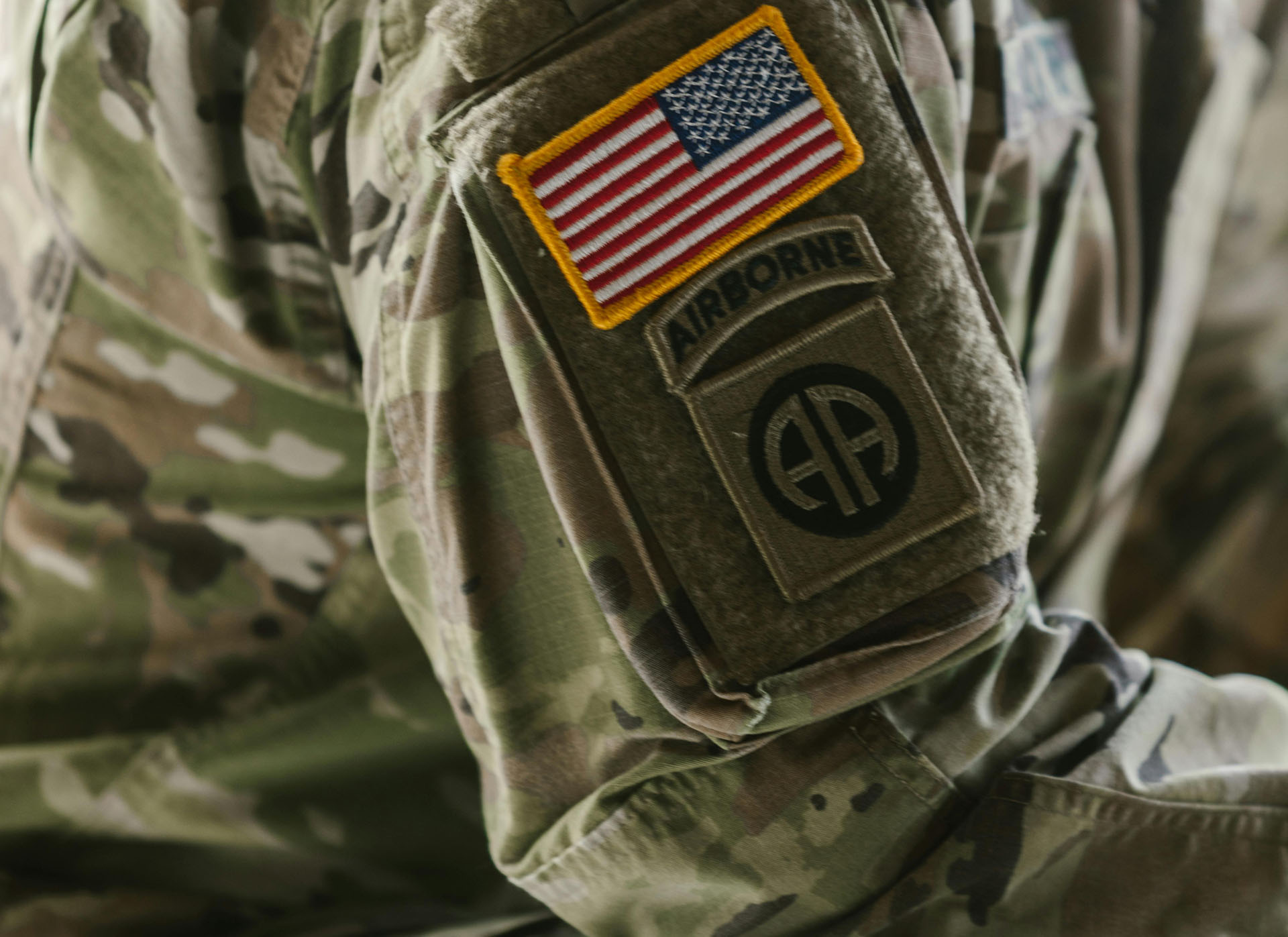
Veterans who suffer from service-connected disabilities deserve proper compensation and support. The VA disability system exists to provide monthly benefits to those whose health conditions stem from military service. Our friends at Gregory M. Rada, Attorney at Law are familiar with the complex system designed to evaluate and compensate veterans disability lawyer claims based on the severity of service-connected conditions.
What Are VA Disability Benefits?
VA disability compensation provides tax-free monthly payments to veterans with disabilities connected to their military service. These payments acknowledge the impact that service-related injuries or illnesses have on a veteran’s ability to work and maintain quality of life.
The amount of compensation depends on the severity of the condition, measured through a disability rating system that ranges from 0% to 100% in 10% increments.
Who Qualifies For Benefits?
To receive VA disability compensation, veterans must meet specific criteria:
- You must have a current diagnosed condition
- The condition must have originated during or been aggravated by military service
- There must be a medical connection (nexus) between your current condition and your service
- You must have received a discharge that was not dishonorable
The VA evaluates each claim individually, reviewing medical records, service records, and sometimes requiring additional examinations to establish the connection between service and disability.
Understanding The Rating System
The VA uses a rating schedule to assign disability percentages. According to the VA Schedule for Rating Disabilities, conditions are evaluated based on how much they impair earning capacity and daily functioning.
Higher ratings mean higher monthly compensation. For 2024, a veteran with a 100% disability rating receives significantly more than someone with a 30% rating. The system also accounts for dependents, which can increase monthly payments.
Common Service-Connected Conditions
Many conditions qualify for disability benefits. Some of the most frequently claimed include:
- Post-traumatic stress disorder (PTSD)
- Hearing loss and tinnitus
- Musculoskeletal conditions (back, knee, shoulder injuries)
- Traumatic brain injuries
- Respiratory conditions
- Skin conditions
Mental health conditions have received increased attention in recent years. We recognize that psychological injuries are just as real and debilitating as physical ones.
The Application Process
Filing a VA disability claim requires documentation and patience. Veterans can file initial claims online through VA.gov, by mail, or with assistance from Veterans Service Organizations.
The process typically involves several steps. First, you submit your claim with supporting evidence, including medical records and service treatment records. The VA then reviews your file and may schedule you for a compensation and pension (C&P) exam. An examiner evaluates your condition and writes a report that becomes part of your claim file.
After the exam, a rating specialist reviews all evidence and assigns a disability rating. This can take several months, though the VA has made efforts to reduce processing times.
What If Your Claim Is Denied?
Many initial claims receive denials or lower ratings than expected. This doesn’t mean the end of the road. Veterans have multiple options for appeal.
Under the current system, you can choose from several review lanes after a denial. The supplemental claim lane allows you to submit new and relevant evidence. The higher-level review asks a senior reviewer to look at the same evidence with fresh eyes. The Board of Veterans’ Appeals option sends your case to a Veterans Law Judge.
Each path has different timeframes and requirements. We’ve seen cases where additional medical evidence or a more detailed nexus letter made the difference between denial and approval.
Getting The Rating You Deserve
Many veterans receive lower disability ratings than their conditions warrant. Sometimes this happens because medical evidence doesn’t fully capture the severity of symptoms. Other times, the VA examiner’s report fails to document important limitations.
Veterans can request rating increases when their conditions worsen. The VA should reevaluate ratings when new evidence shows increased severity or additional limitations. We’ve worked with veterans whose initial 30% PTSD rating increased to 70% or higher after proper documentation of their symptoms.
The Importance Of Medical Evidence
Strong medical evidence makes or breaks disability claims. This includes treatment records, doctor’s opinions, and statements about how your condition affects daily activities. Private medical opinions can supplement VA exams when those exams seem inadequate.
Buddy statements from fellow service members can also support your claim. These firsthand accounts can verify when symptoms began or describe incidents that led to your condition.
Moving Forward With Your Claim
The VA disability system serves millions of veterans, but it remains challenging for many to understand. Benefits can provide financial stability and access to healthcare that many veterans need and deserve.
If you’re struggling with a denied claim, an inadequate rating, or questions about the process, professional guidance can help. Understanding your rights and the evidence needed to support your claim makes a significant difference in outcomes. We’re here to help veterans receive the full benefits they’ve earned through their service.