Are you a Dallas veteran seeking VA benefits after military sexual trauma?
At Glover Luck LLP, we know these claims are rarely documented in a service file, and we have spent more than a decade proving them from other sources.
If the VA denied your claim because nothing in your service record confirms what happened, that reasoning does not reflect the regulation the agency is required to apply. Our Dallas, TX military sexual trauma lawyer gathers the evidence the rules permit from outside the service file, establishes the connection between what occurred and the condition you live with now, and presents the claim on that footing. Glover Luck LLP has represented veterans in disability matters since 2014. Consultations are provided at no cost.
Military Sexual Trauma Lawyer Dallas, TX
Military sexual trauma is not itself a diagnosis. The term describes an experience, defined in federal law as psychological trauma resulting from a physical assault of a sexual nature, battery of a sexual nature, or sexual harassment that occurred during active duty or active duty for training. What the VA compensates is the condition that followed.
That distinction shapes the claim. A veteran does not seek benefits for military sexual trauma as such, but for post-traumatic stress disorder, depression, anxiety, or another condition connected to it. Our military sexual trauma attorneys in Dallas develop both elements, because the agency must be satisfied on each before it will pay.
Types of Military Sexual Trauma Cases We Handle in Dallas, TX
These claims reach our firm at every stage, and many arrive after a denial that rested on the absence of a report no one was ever in a position to make. The conditions below are among those most frequently connected to military sexual trauma, and several tend to appear together. The matters listed reflect the work our Dallas attorneys perform for veterans in this area.
- Post-traumatic stress disorder. The large majority of claims connected to military sexual trauma are filed for PTSD. Establishing the claim requires a diagnosis, evidence that the experience occurred, and a medical link between the two.
- Depression and anxiety disorders. Conditions other than PTSD are frequently connected to the same experience, and depression is evaluated under the same rating framework. A claim limited to one diagnosis may leave compensable conditions unclaimed.
- Service connected disability. Veterans in this area often carry physical conditions arising from the same period of service. We review the whole record rather than the psychiatric claim alone.
- Service connection. The regulations permit corroboration from sources outside the service file, and these special provisions are the ones most often applied incorrectly. We assemble that evidence and identify where a prior decision failed to consider it.
- Secondary service connection. Conditions that develop from an already rated disability are separately compensable. Sleep disorders, chronic pain, and gastrointestinal conditions commonly arise this way.
- VA migraine. Chronic headaches frequently accompany the psychiatric conditions connected to military sexual trauma. Where that relationship is documented, the headaches may carry their own evaluation.
- VA disability compensation. The assigned percentage determines the monthly award, and psychiatric evaluations are among the most frequently disputed. We measure the assigned level against the documented effect on daily functioning, and we advise on the range of veterans disability benefits available.
- Individual unemployability. Where the conditions prevent sustained employment, a total rating may be available even when the schedular percentage falls short. These claims rest on work history as much as on medical evidence, and vocational rehabilitation records often bear on them.
- Discharge upgrades. Symptoms that went unrecognized during service sometimes produced a discharge that now obstructs access to benefits. That characterization can be challenged, and it may open lesser known benefits as well.
- Rating increases. A condition that has worsened since the last decision may support a higher evaluation. We document the change and identify the earliest date from which an increase should run.
Why Choose Glover Luck LLP as My Military Sexual Trauma Lawyer in Dallas, TX?
Claims Built From Evidence Outside the Service File
The Department of Defense has estimated that most sexual assaults during military service are never reported, which means the documentation an adjudicator instinctively looks for usually does not exist. The regulations account for this and permit corroboration from other sources. Federal oversight reviews have nonetheless found that a substantial share of denied claims in this area were not processed according to those procedures. We build these claims from the records that do exist, and we identify where a prior decision applied the wrong standard, which is often the strongest ground available after a denial.
Representation From the First Filing Through Appeal
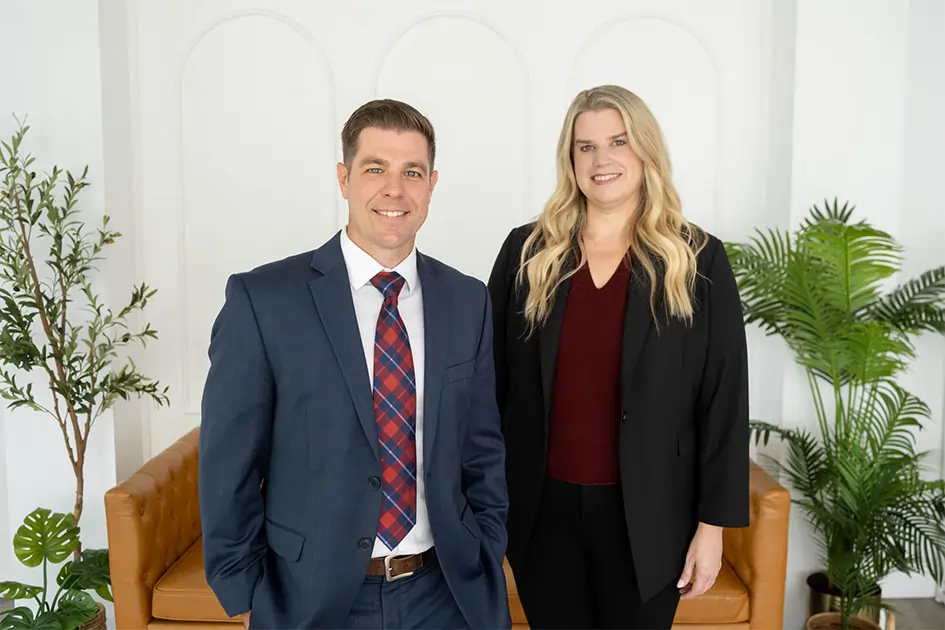
Julie L. Glover and Adam R. Luck founded Glover Luck LLP in 2014. Both are accredited by the VA, both belong to the National Organization of Veterans’ Advocates, and both are admitted before the court that reviews agency decisions. Our firm includes attorneys who served, and veterans law is the whole of what we practice. Veterans across the county work with our veterans disability lawyer in Dallas, TX at every stage of a claim.
Understanding Military Sexual Trauma Cases
What Is The Military Sexual Trauma Case Timeline?
These claims proceed on the ordinary VA schedule, though they are frequently routed through specialized processing. A veteran who has already been denied should know that a denial resting on the absence of service records is often reviewable on that ground alone.
- An intent to file preserves the effective date while records are gathered
- The claim is filed with the diagnosis and whatever corroborating evidence exists
- The VA schedules an examination with a mental health professional
- The regional office issues a decision on service connection and evaluation
- An unfavorable decision may be challenged within one year of the notice
Veterans may request that the examination be conducted by a clinician of a particular gender. The examination is often the most difficult part of the process, and knowing what filing with legal help involves beforehand makes a measurable difference.
What Are Important Aspects of a Military Sexual Trauma Case?
The evidentiary question is what separates these claims from other psychiatric filings. The agency is not permitted to require a report that was never made, and it must consider evidence drawn from beyond the service file.
- Establishing a current diagnosis connected to the experience
- Identifying corroborating evidence from medical, personnel, or civilian records
- Documenting changes in performance, conduct, or circumstances following the event
- Obtaining statements from people who observed those changes at the time
- Confirming that any prior denial applied the correct evidentiary standard
The agency may not deny a claim of this kind without first advising the veteran that evidence from sources other than the service records may be submitted. Where that notice was never given, the decision is open to challenge on that basis.
Evidence, Service Connection, and Compensation in Military Sexual Trauma Cases
Service connection for a psychiatric condition ordinarily requires a diagnosis, an in-service event, and medical evidence linking the two. For claims of this kind the regulations relax how the second element may be shown, and evidence of changes in behavior or circumstances following the event may serve as credible evidence that it occurred.
Once service connection is established, the condition is evaluated under the framework applied to all mental health conditions. The available levels are as follows:
- 0%, where a condition is diagnosed but does not interfere with functioning or require continuous medication
- 10%, where the condition is mild or controlled by continuous medication
- 30%, where it produces occasional decrease in workplace efficiency
- 50%, where it produces reduced reliability and productivity
- 70%, where it produces deficiencies across most areas of functioning
- 100%, where impairment in work and social functioning is total
Compensation is paid monthly at the rate corresponding to the assigned evaluation, with additional amounts for dependents. Where the conditions prevent substantially gainful employment, a total rating may be available regardless of the schedular percentage.
What Should You Bring to Your Military Sexual Trauma Consultation?
Nothing is required for a first meeting, and a veteran who has no documents at all still has a claim worth discussing. Where they are available, the following are useful:
- Any VA decision letters or rating decisions already issued
- Treatment records from VA and from private providers
- Service personnel records, including evaluations and any disciplinary action
- Records reflecting a transfer request, change of duties, or early separation
- Statements from anyone who observed changes during or after the relevant period
We will discuss what the record appears to establish and what further evidence may be available. You are not expected to recount anything you would rather not.
What Are Important Texas Legal Resources for Military Sexual Trauma Cases?
These claims are governed by federal law, and the standards are published in full. The sources below allow a veteran to read what the agency is required to consider, and none of them replaces representation.
- 38 CFR 3.304 sets out the evidentiary provisions applicable to claims based on personal assault during service.
- 38 U.S.C. 1720D contains the statutory definition of sexual trauma for purposes of federal veterans law.
- A Government Accountability Office review examined the consistency of decisions on these claims across regional offices.
- An Inspector General review examined how denied claims in this area were processed and what procedures were missed.
- A more recent assessment addresses the wider disability claims program and the reforms applied to it.
Reach Out to Glover Luck LLP to Schedule a Consultation
Many veterans wait years before filing, and some never do, because the process appears to require proving something that was never recorded. Our Dallas military sexual trauma lawyer can review the record and explain what the regulations actually require. Contact us to arrange a consultation at no cost. Glover Luck LLP represents veterans throughout Dallas County, and every consultation is confidential.
If you need assistance appealing your service-connected disability claim, please contact our veterans law office for a free consultation at 866-849-3287 or 214-741-2005. We are based in Dallas, Texas, and represent veterans all over the United States.