Are you looking for a veterans disability lawyer in Miami, FL?
At Glover Luck LLP, we are Miami veterans disability lawyers committed to thorough preparation in every matter we handle.
If you are a Miami veteran who has been told a condition is not related to service, received a rating that leaves out part of your disability, or lost benefits after a VA reexamination, you can challenge that decision. Our Miami, FL veterans disability lawyer represents veterans and surviving family members in claims, reviews, and appeals before the VA and the federal courts.
We have represented veterans since 2014, and our founders are accredited by the VA. Schedule a free consultation to talk through your decision letter with us.
Veterans Disability Lawyer Miami, FL
Miami-Dade County is home to 44,155 veterans, according to Census Bureau QuickFacts estimates for 2020 to 2024. Any of those veterans with a condition linked to service may qualify for monthly benefits, even if a claim was never filed or was denied years ago.
A veterans disability attorney in Miami represents former service members, and in some cases their survivors, in claims for VA benefits tied to injuries and illnesses from military service. Much of the work happens inside the claims file itself, where the VA’s reasons for a denial are written down and can be answered one at a time. That can mean new medical opinions, corrected service records, or a request for review by a more senior adjudicator.
Types of Veterans Disability Cases We Handle in Miami
Our attorneys handle initial claims, rating disputes, survivor benefits, and claims arising from VA medical care for veterans throughout Miami and South Florida. Each of these matters calls for different evidence and a different strategy.
- Service-Connected Disability. A grant of service connection is the threshold question in nearly every case. We identify the theory that fits the facts, whether that is a direct link to an in-service event or a condition that developed because of another service-connected disability.
- VA Disability Compensation. Once service connection is established, the rating decides the monthly payment. We challenge ratings that ignore symptoms documented in treatment records or misapply the criteria for the condition.
- VA PTSD. PTSD claims often turn on whether the VA accepts the in-service stressor and how the examiner describes occupational and social impairment. We gather the records and statements that support both.
- VA TBI. Traumatic brain injuries from blasts, vehicle accidents, or training incidents can produce cognitive, physical, and emotional symptoms that are easy to under-rate. We make sure each residual is evaluated.
- Gulf War Syndrome. Veterans of Southwest Asia service frequently report chronic fatigue, joint pain, and gastrointestinal problems without a clear diagnosis. We address the most common Gulf War denials with medical and deployment evidence.
- VA Asbestos. Asbestos-related disease can appear decades after a Navy tour or shipyard assignment. We reconstruct the exposure history from a veteran’s job specialty and duty stations.
- VA Radiation Exposure. Some veterans were exposed to ionizing radiation during weapons testing, occupation duty, or certain technical jobs. We pursue the dose estimates and medical opinions these claims require.
- VA Individual Unemployability. A veteran who cannot keep substantially gainful work because of service-connected conditions may be paid at the 100% rate. We document work history, employer records, and functional limitations.
- Medical Malpractice VA Disability. When treatment at a VA facility causes additional disability, the veteran may be entitled to benefits as if the injury were service connected. Some of these cases also support a separate negligence claim against the federal government.
- Dependency and Indemnity Compensation. Surviving spouses, children, and parents may receive monthly payments after a service-related death. We review DIC eligibility and develop the evidence linking the cause of death to service.
Why Choose Glover Luck LLP as My Veterans Disability Lawyer in Miami, FL?
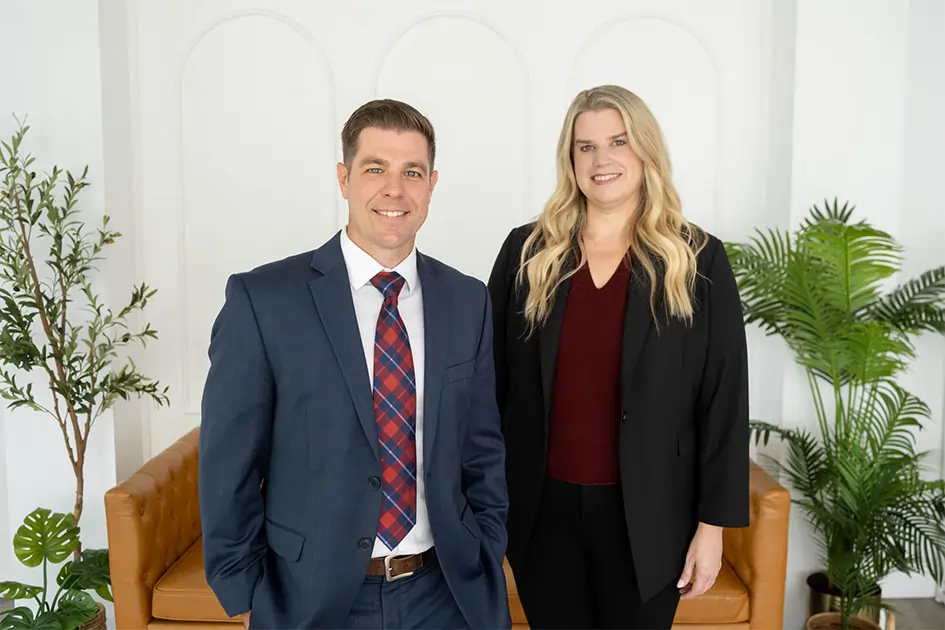
Julie L. Glover and Adam R. Luck Bring Federal Court Experience to Florida Claims
Julie L. Glover has litigated cases pro hac vice in the U.S. District Court for the Southern District of Florida, the federal district that includes Miami, along with federal courts in eleven other districts across the country. Adam R. Luck is admitted to the U.S. Court of Appeals for the Federal Circuit, which hears appeals from the Court of Appeals for Veterans Claims. Before law school, Adam earned a degree in finance and business administration from Kansas State University.
A veterans disability case in Miami can involve both a benefits claim and a question of negligence in VA medical care. Both of our founders handle tort claims against the VA as well as disability claims, so a veteran does not need two firms for one set of facts.
Twelve Years of Representing Veterans Nationwide
Julie and Adam co-founded our firm in 2014, and both are accredited by the VA to represent veterans in claims before the agency. We represent veterans across the country from the first filing through the federal appellate courts.
What Is Important to Understand About Veterans Disability Cases?
Eligibility, Service Connection, and Benefits in Veterans Disability Cases
VA disability benefits depend on two things a veteran must show and several forms of payment that may follow.
- Eligibility generally requires service under conditions other than dishonorable and a current disability, as the VA explains in its eligibility guidance.
- Service connection can be established directly, on a secondary basis, or through a presumptive condition linked to a particular place, period, or exposure.
- Recent toxic exposure benefits added presumptive conditions for veterans exposed to burn pits, Agent Orange, and other hazards.
- Monthly compensation follows the combined rating and the number of dependents, and ratings never add together in the way most veterans expect.
- Special monthly compensation is an additional payment for severe disabilities, such as the loss of use of a limb or the need for help with daily activities.
- Dependency and indemnity compensation provides monthly payments to qualifying survivors after a service-related death.
What Is the Veterans Disability Case Timeline?
Claims with one condition and complete records generally move faster than multi-issue claims or appeals that need new medical opinions. Every review option also has its own filing deadline.
- Claim and development. The VA gathers service records and treatment records and schedules compensation and pension exams.
- Rating decision. The VA issues a decision letter explaining what it granted, what it denied, and why.
- Choosing a review. A veteran who disagrees can choose one of three review options. The VA’s decision review guidance compares them side by side.
- Board appeal. The Board of Veterans’ Appeals offers a direct review docket, an evidence docket, and a hearing docket.
- Federal court. A Board denial can be appealed to the CAVC, and in some cases a later appeal goes to the Federal Circuit.
What Are Important Aspects of a Veterans Disability Case?
Our Miami veterans disability attorney checks each of these issues at the start of a case. Any one of them can change the outcome, and all of them are easier to fix early.
- Character of discharge, since eligibility for most benefits depends on it
- A medical nexus opinion that explains the connection between the condition and service with clear reasoning
- The effective date, because it controls back pay and is often set later than the evidence supports
- Consistency between VA treatment records, private records, and what the veteran reports at exams
- The choice of review lane, since some lanes allow new evidence and others do not
What Should You Bring to Your Veterans Disability Consultation?
A free consultation is most productive when we can read the same documents the VA read. Bring whatever you have.
- Your DD-214 and any discharge review paperwork
- All VA decision letters, including any notice of a proposed reduction
- VA and private treatment records, along with any exam reports you have received
- For survivor claims, the death certificate and records showing your relationship to the veteran
We will go through the decision letters with you, identify which review options remain open, and explain what each one would require. If the evidence does not support a different outcome, you will hear that from us in the first meeting rather than months later.
Miami-Dade VA Facilities and Local Veterans Resources
- VA Miami health care. The Miami VA Healthcare System provides medical care to veterans across Miami-Dade, and the treatment records from its facilities are often central evidence in a disability claim.
- Miami Vet Center. The Vet Center offers free, confidential, non-medical counseling for veterans, including support related to PTSD and military sexual trauma.
- Veteran Services Program. Miami-Dade County’s Community Services Department helps veterans and their families file VA claims and appeals at no cost, with service locations in several parts of the county.
Reach Out to Glover Luck LLP to Schedule a Consultation
Veterans in Miami-Dade do not have to face a denial or a low rating without counsel. Glover Luck LLP offers a free consultation to review your decision letters and explain the options still available to you. Contact us to arrange a time to speak with our Miami, FL veterans disability lawyer.