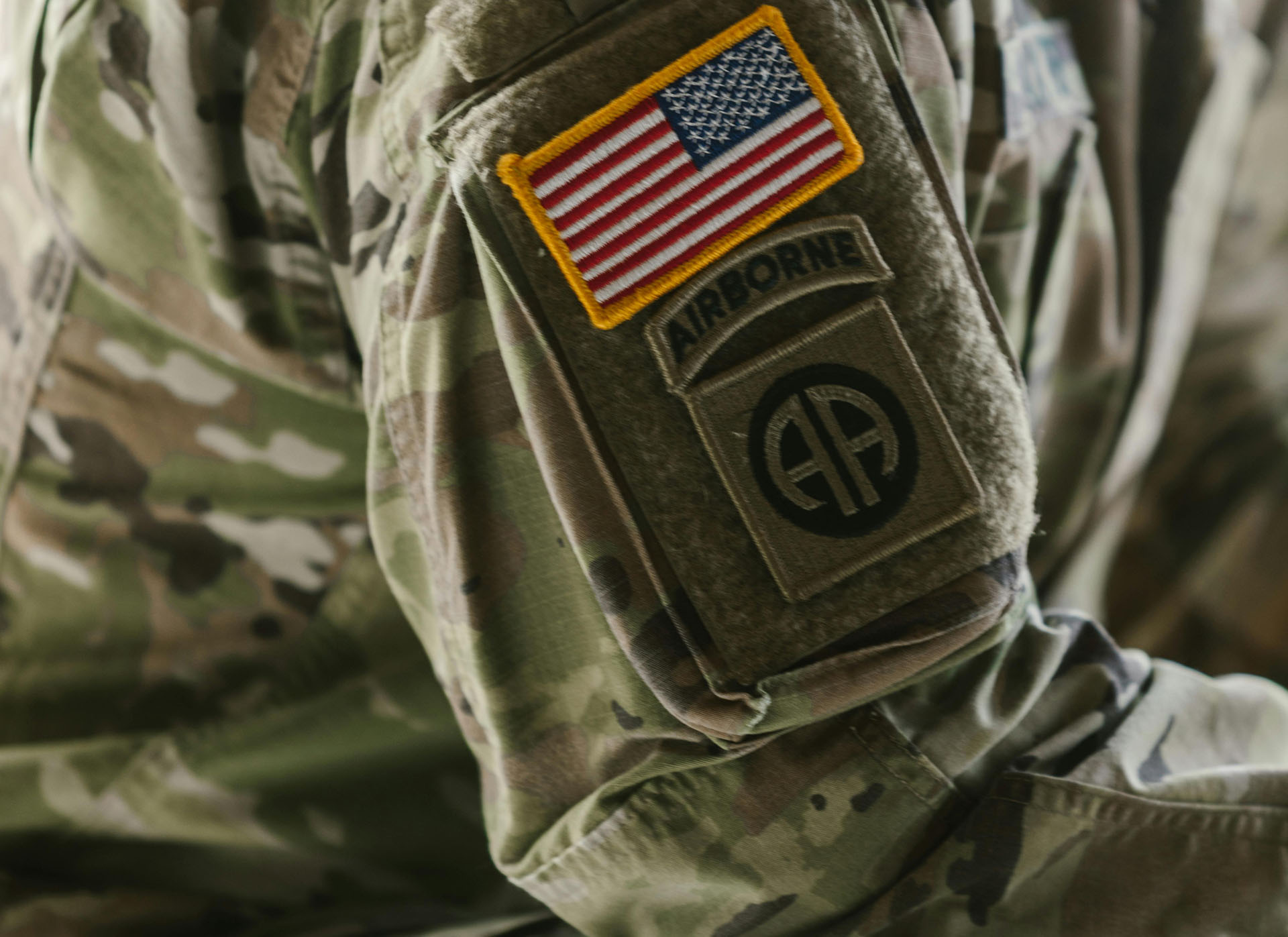
In a significant development for Texas veterans’ families, voters approved Proposition 7, which increases homestead exemptions for surviving spouses of veterans who died from a service-connected illness. This measure provides property tax relief to spouses who have not remarried, helping ease financial burdens during an already challenging time. The new exemption applies only after the federal government verifies that the veteran’s death was connected to their military service. Families seeking guidance on benefits from service-connected claims can rely on our Texas service-connected disability lawyer for assistance in understanding their rights and eligibility.
Proposition 7 was part of a broader ballot that included 17 constitutional amendments up for vote on November 4, 2025. Texans also decided on local elections, including school boards, city councils, utility bonds, and a special congressional election to fill the seat of late Rep. Sylvester Turner in Texas’ 18th Congressional District.
The constitutional amendment allows the legislature to provide an exemption from ad valorem taxation on the market value of the residence homestead for the surviving spouse of a veteran who passed due to a condition presumed under federal law to be service-connected. According to the bill’s financial report, approximately 3,000 surviving spouses in Texas are expected to qualify for this exemption, providing meaningful property tax relief and financial security.
While the focus of Proposition 7 is on property tax relief, the initiative highlights a broader recognition of the needs of veterans and their families. By making sure that surviving spouses are protected, Texas lawmakers are acknowledging the sacrifices made by service members and their loved ones.
Your Rights With VA Service-Connected Claims
For veterans and their families, securing benefits tied to service-connected disabilities can be a complicated process. Our Texas service-connected disability attorneys can guide clients through this process, helping them assert their rights and secure entitlements under federal and state law.
Service-connected disability claims often involve dealing with the VA’s documentation requirements and challenging denials of benefits. Many surviving spouses may not be fully aware of all the benefits available, including exemptions like those authorized under Proposition 7. Our VA service-connected benefits attorneys help make sure that families receive the maximum support to which they are legally entitled.
In addition, our VA disability rating lawyers can be critical for veterans whose claims involve extensive medical histories or disputed service connections. Establishing a veteran’s eligibility for compensation, survivor benefits, and related exemptions requires meticulous attention to detail and understanding of both federal and state regulations. By working with our service-connected veterans law firm, families can avoid common pitfalls and strengthen their claims for financial and legal relief.
At Glover Luck LLP, our veterans’ service injury claims lawyers are committed to assisting veterans and their families. Whether it’s advocating for a service-connected disability rating, confirming eligibility for surviving spouse exemptions, or handling appeals, our Texas service-connected disability lawyers can provide personalized guidance tailored to each client’s circumstances. Proposition 7 demonstrates the state’s commitment to supporting military families, and our team is here to help those families maximize their entitlements and peace of mind.
If you or a loved one are dealing with service-connected disability claims or surviving spouse benefits, contact Glover Luck LLP today. We offer 24/7 live support, so you can contact us at any time of day or night. And with free consultations, you can make sure you’re getting the most out of our services. You don’t have to deal with legal issues surrounding your VA benefits alone. Our experienced attorneys are ready to protect your rights and make sure you receive the support and compensation you deserve.