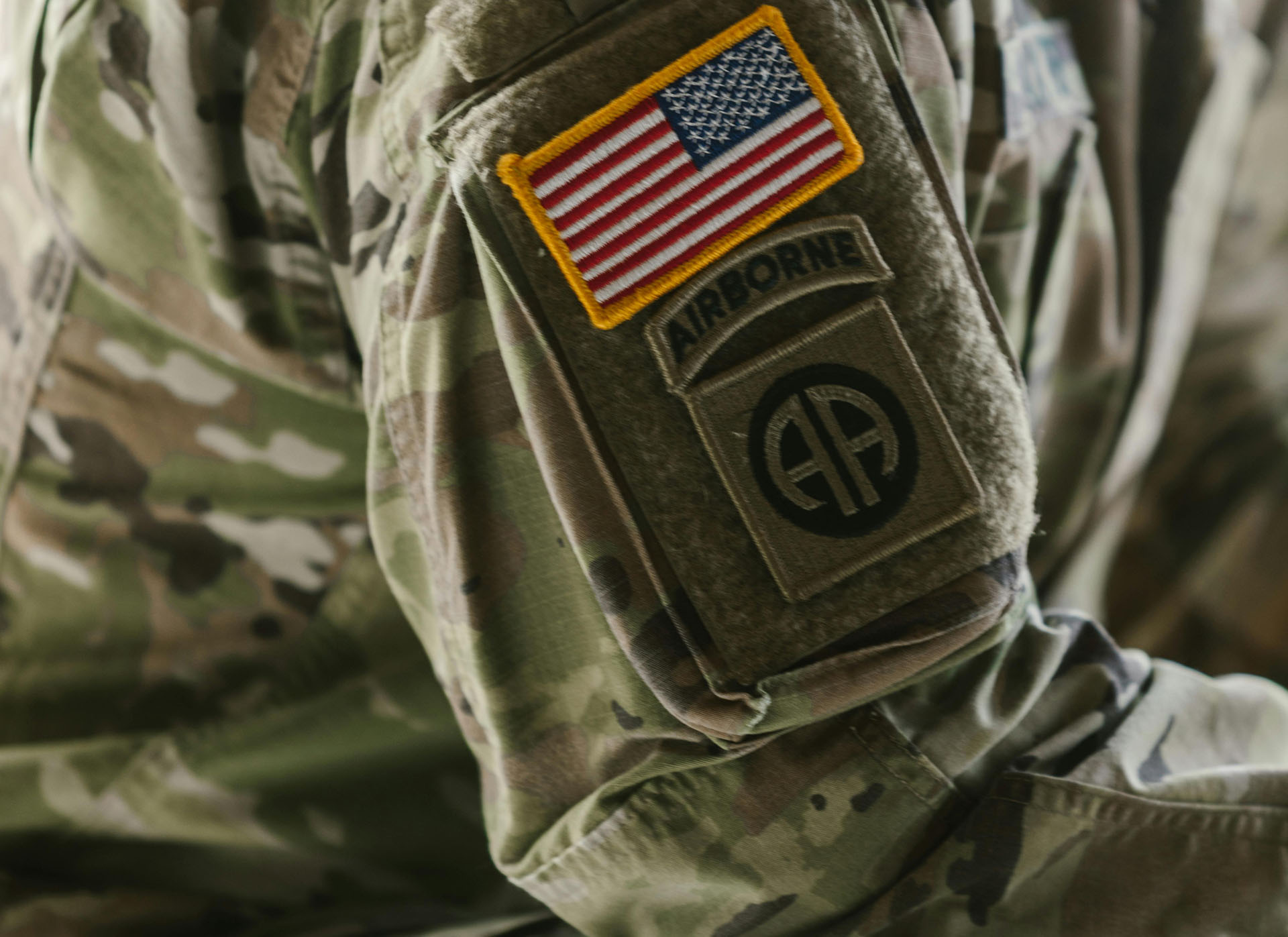
Gulf War Syndrome is a term used to describe a cluster of chronic, unexplained symptoms reported by veterans who served in Southwest Asia during and after Operation Desert Storm. The VA refers to these conditions as “Gulf War Veterans’ Medically Unexplained Illnesses,” and they remain one of the most disputed areas of veterans’ disability law.
The symptoms are real. They just do not always appear in standard lab results or imaging, and that is exactly where the trouble starts. Commonly reported symptoms include:
- Chronic fatigue that does not improve with rest
- Widespread muscle and joint pain
- Cognitive difficulties, including memory loss and poor concentration
- Gastrointestinal problems such as nausea, bloating, and diarrhea
- Skin rashes and other unexplained dermatological conditions
- Persistent headaches and disrupted sleep
Glover Luck LLP focuses exclusively on veterans’ disability law and represents veterans across the country at every stage of the claims and appeals process.
Why the VA Denies So Many of These Claims
The VA has established presumptive service connection for certain undiagnosed illnesses and medically unexplained chronic multisymptom illnesses affecting Gulf War veterans. In theory, that should make claims easier to win. In practice, denials remain common for several reasons.
Insufficient symptom documentation is one of the biggest problems. Veterans who did not consistently seek medical treatment during or after service often lack the paper trail the VA wants to see.
The VA also requires symptoms to be present at a level of 10% disability or more for at least six months. Inconsistent treatment records make that threshold difficult to prove. A Durham VA disability compensation lawyer can help veterans identify gaps in their documentation before those gaps become the reason for a denial.
Vague or shifting diagnoses are another issue. Because Gulf War Syndrome is not a single recognized condition, VA examiners sometimes attribute symptoms to unrelated causes or simply decline to connect them to service. A negative Compensation and Pension exam, which is often brief and narrowly focused, can derail an otherwise supportable claim.
What Veterans Can Do
The most important step is building a thorough and consistent medical record. The VA does not require a formal diagnosis for Gulf War claims, but it does require documented evidence that symptoms exist, that they are chronic, and that they meet the disability threshold.
Private medical opinions matter too. When a VA examiner produces a negative nexus opinion, a well-supported opinion from a qualified private physician can serve as a direct counter during an appeal.
Veterans should also review whether the PACT Act expanded their eligibility. The law broadened toxic exposure protections and may affect how certain Gulf War-related conditions are evaluated. The VA’s own eligibility guidance on Gulf War illness claims outlines the general criteria, though meeting those criteria and persuading the VA to apply them correctly are two different things.
If your claim has been denied or your rating does not reflect the actual impact of your condition, a Durham VA disability compensation lawyer is a reasonable starting point for understanding what legal options and appeals may still be available to you. Gulf War veterans deserve fair consideration of what they experienced and what they continue to live with, and having focused legal representation in your corner can make a meaningful difference.