Trusted service-connected disability lawyers with over 12 years of experience.
If you served in the military and now live with injuries or conditions tied to that service, you may be entitled to VA disability compensation. Proving the connection between your condition and your time in uniform is the single most important step in obtaining benefits. It’s also the step where the VA denies the most claims. Glover Luck LLP has represented Texas veterans in service-connected disability cases for over 12 years, and we know what it takes to build a claim the VA cannot ignore. Our Texas service-connected disability lawyer is prepared to fight for the benefits you’ve earned. Contact us for a free consultation.
Service-Connected Disability Lawyer Texas
Service connection is the legal foundation of every VA disability claim. It means the VA has formally recognized that a veteran’s current medical condition was caused by, aggravated during, or otherwise linked to military service. Without that recognition, there is no compensation. The VA’s eligibility requirements demand three elements: a current diagnosed condition, an in-service event or injury, and a medical link between the two. Many claims fail not because the veteran’s condition isn’t real, but because the service connection wasn’t properly documented. A service-connected disability attorney in Texas can identify what’s missing from your claim and present the evidence the VA requires.
Types of Service-Connected Disability Cases We Handle in Texas
Our attorneys handle service-connection claims across every branch of service and every type of condition. These are the categories where we focus our work.
- Direct service connection. This is the most common type of claim. A veteran develops a condition during active duty or can trace a current condition directly back to a specific event, injury, or illness during service. The challenge is usually medical documentation, especially when records from the service period are incomplete or missing.
- Secondary service connection. A secondary claim involves a condition caused or worsened by an already service-connected disability. For example, a veteran rated for a knee injury may later develop chronic back pain due to an altered gait. We help veterans connect secondary conditions to their existing rated disabilities.
- Presumptive conditions. For certain conditions, the VA presumes service connection if the veteran meets specific criteria, such as serving in a particular location or during a particular time period. The PACT Act expanded this list significantly, adding more than 20 new presumptive conditions related to burn pits, Agent Orange, and other toxic exposures.
- PTSD and mental health claims. Establishing service connection for PTSD requires a confirmed diagnosis, a verified in-service stressor, and a medical opinion linking the two. Combat veterans receive a relaxed evidentiary standard for stressor verification, but non-combat PTSD claims require more documentation. We guide veterans through this process carefully.
- Toxic exposure claims. Veterans exposed to hazardous substances during service may qualify for benefits related to conditions like cancer, respiratory disease, and neurological disorders. Our firm handles claims related to asbestos exposure, radiation exposure, burn pits, and Agent Orange.
- Rating increases for service-connected conditions. If your condition has worsened since your last rating, you may be entitled to a higher disability compensation percentage. We help veterans document the change and file for increased ratings, including pursuing the path from 70% to 100%.
- Rating reductions. The VA sometimes proposes lowering a veteran’s existing rating after a reexamination. Federal law provides specific protections for stabilized ratings, and we challenge reductions that don’t follow those rules.
- Conditions diagnosed after discharge. Some service-connected conditions don’t appear until months or years after separation. The VA still allows claims for these conditions, but proving the link to service requires careful evidence and often an independent medical opinion.
Why Choose Glover Luck LLP for Service-Connected Disability in Texas?
Founded to Serve Veterans
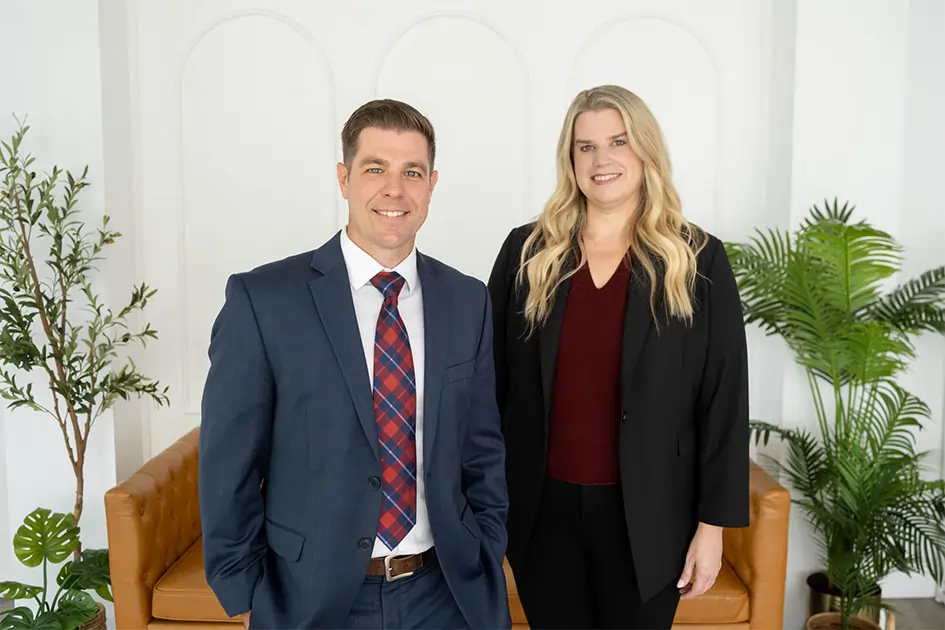
Glover Luck LLP was co-founded in 2014 by Julie L. Glover and Adam R. Luck with one purpose: representing veterans in disability claims and appeals against the VA. Both are VA-accredited attorneys and members of NOVA (National Organization of Veterans’ Advocates).
Julie earned her Juris Doctor from Texas A&M Law and is admitted to practice in Texas, New Mexico, and numerous federal courts, including the U.S. Court of Appeals for Veterans Claims and the U.S. Supreme Court. She also holds an LL.M. in Taxation and handles both disability claims and estate matters for veterans and their families. Adam came to law after working as a financial advisor at USAA, where he served active-duty service members and veterans. He recognized that veterans needed stronger legal representation in the benefits process and co-founded the firm to fill that gap. He volunteers regularly at free veterans legal clinics at the Dallas and Fort Worth VA medical centers.
Our firm has helped clients move from 0% to 80%, from 70% to 90% plus TDIU, and secured full favorable decisions for veterans whose claims had been denied for years.
Free Consultations for Texas Veterans
The consultation is provided at no cost, and you will leave with a clear understanding of your options.
Understanding Service-Connected Disability Cases
How Service Connection is Established and Rated
The VA uses 38 CFR Part 4 to rate the severity of each service-connected condition. But before a rating is assigned, the veteran must first establish that the condition is, in fact, connected to service. There are several pathways.
- Direct connection requires showing the condition began during service or resulted from an event during service. Medical records, service treatment records, and lay statements all play a role.
- Aggravation applies when a preexisting condition was made worse by military service. The VA must rate the degree of aggravation, not just the condition itself.
- Secondary connection covers conditions caused by an already service-connected disability. A medical nexus opinion is almost always necessary.
- Presumptive connection applies to specific conditions associated with particular service eras, locations, or exposures. Under the PACT Act, this category has expanded substantially.
Important Aspects in Your Service-Connected Disability Case
The single most important piece of evidence in a service-connection case is the medical nexus opinion. This is a formal statement from a qualified medical provider explaining why your current condition is at least as likely as not connected to your military service. A vague or generic statement won’t work. The opinion needs to reference your specific service history, medical records, and the medical literature supporting the connection.
Beyond the nexus, strong evidence includes private treatment records showing ongoing symptoms, buddy statements describing how your condition has affected daily life, and documentation of any in-service events that contributed to the condition. Many veterans rely solely on VA medical records, which are often incomplete.
Service-Connected Disability Case Timeline
The time it takes to resolve a service-connected disability claim depends on the complexity of the case, the quality of the evidence, and the current VA backlog.
- Filing an Intent to File preserves your effective date and gives you one year to complete the formal application.
- A fully developed claim with strong evidence may receive a decision within 3 to 6 months.
- More complex claims, especially those involving multiple conditions or secondary connections, may take 6 to 12 months or longer.
- If the claim is denied, a Higher-Level Review typically takes 4 to 6 months. A Supplemental Claim varies depending on what new evidence is gathered.
- Board of Veterans’ Appeals hearings can add another 12 to 24 months. If needed, an appeal to the Veterans Claims court follows.
Acting early and submitting complete evidence from the start makes a real difference in how quickly a claim moves through the system.
What to Bring to Your Service-Connected Disability Consultation
Having these documents ready for your initial meeting will allow us to evaluate your claim efficiently.
- DD-214 or other discharge documentation showing dates and locations of service
- All VA rating decisions, including any denials or proposed reductions
- C&P exam reports from current and prior evaluations
- Private medical records, specialist reports, and any independent medical opinions
- A personal statement describing your condition, how it began, and how it affects your life today
We review everything during your free consultation and outline a clear plan for moving forward. There is no obligation.
Texas Legal Resources for Service-Connected Disabilities
These resources help Texas veterans understand the laws governing service-connected disability claims.
- The VA’s how to file page walks through the process for submitting an initial disability claim, including what evidence to gather and how to file online, by mail, or with help.
- The VA’s disability compensation page provides an overview of benefits available to veterans with service-connected conditions, including links to eligibility criteria and the claims process.
- The Texas Veterans Commission provides free claims assistance to veterans across the state and can connect you with local support services.
- The VA decision reviews page describes the three options available if your claim is denied: Supplemental Claim, Higher-Level Review, and Board Appeal.
Reach Out to Glover Luck LLP to Schedule a Consultation
If you’re struggling to prove service connection or if the VA has denied your claim, Glover Luck LLP can help. We offer free consultations for Texas veterans and have spent over 12 years building successful claims for service-connected disabilities. Contact our service-connected disability attorney in Texas today.