A veteran who files for benefits doesn’t have to collect every record alone. Federal law puts part of that work on the agency that decides the claim. Knowing where the duty starts and stops helps a veteran spot a file that has been left incomplete.
What the Duty to Assist Requires
38 U.S.C. section 5103A directs the VA to make reasonable efforts to help a claimant obtain the evidence needed to substantiate a claim. The statute sets the duty in general terms.
The implementing rule, 38 CFR section 3.159, fills in the steps. Together the two define what a veteran can expect from the agency.
The duty includes:
- Reasonable efforts to obtain relevant records from private custodians
- Efforts to obtain federal records until they are received or further efforts would be futile
- A medical examination or opinion when one is needed to decide the claim
- Notice to the claimant when records can’t be obtained
Private Records
For private medical records, the VA makes an initial request and, if the records don’t arrive, at least one follow-up request. A veteran has to supply the authorization that lets the VA ask a private doctor or hospital for treatment notes.
A missing signature on that authorization can stall the request, and a wrong address for the provider can do the same. The form should be checked before it is submitted.
Federal Records
Service records, VA treatment notes, and other federal records follow a stricter path. The VA keeps trying until the records are obtained, or until it is reasonably certain they don’t exist or that more efforts would be futile. A veteran who sees a decision that never mentions service treatment records can ask whether the search was completed. The same issue appears in missing records in appeals.
Medical Exams and Opinions
The duty doesn’t stop at paper records. If the evidence on file doesn’t settle whether a condition is service-connected or how severe it is, the VA may need to arrange an exam or obtain an opinion.
Veterans can ask a California VA disability compensation lawyer to review whether an exam was ordered when the record required one and whether the examiner reviewed the full file. The answer shows whether the duty was met.
Reading the CP exam preparation guide helps a veteran describe symptoms accurately when the exam is arranged. Notes on flare-ups and daily limits are worth bringing.
Notice When Records Can’t Be Found
If the VA is unable to obtain records, it must tell the claimant. The notice should identify the records, describe the efforts made, and explain what the claimant can do next. The notice also gives a veteran a chance to act, such as finding the records another way through a copy from a former doctor.
Delays in finding records can affect the date benefits begin. Reading about VA effective dates shows how that date is set.
Where the Duty Ends
The duty applies to original claims and supplemental claims. The statute doesn’t extend it to higher-level review or to review by the Board of Veterans’ Appeals. A veteran choosing among paths should know that the assistance duty applies to a supplemental claim, which matters when the first decision missed records.
A rating that drops after an exam may involve the same issue, since an incomplete record can lead to an incomplete exam. Our California VA rating reduction lawyer team can check what evidence the VA had before it acted.
Claims for mental health conditions also depend on complete records, and a California VA PTSD lawyer can check for gaps in treatment notes. Complete counseling records support the diagnosis and the rating.
Checking the File
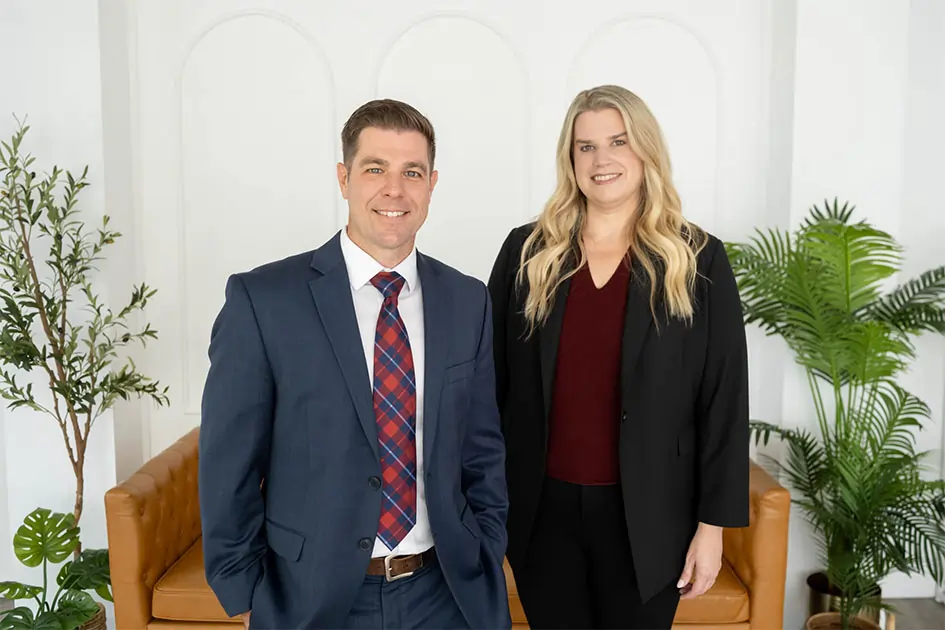
Our founding partner, Julie L. Glover, is a VA-accredited attorney, and Abigail Centrella is a former Assistant District Attorney. Glover Luck LLP represents veterans nationwide, and our attorneys compare the evidence list in each decision with the records the VA says it received.
The duty to assist gives a veteran something to measure a decision against. Veterans in California can reach out to us, and we’ll go through the file to see which records were requested and which were not.