Hearing loss and tinnitus are claims that depend heavily on test results. VA applies fixed numbers to decide whether hearing loss counts as a disability at all. Knowing those numbers before an audiology exam helps a veteran read the results afterward.
Three Tests Decide Whether Hearing Loss Counts
38 CFR 3.385 treats hearing loss as a disability for VA purposes if any one of three conditions is met:
- An auditory threshold of 40 decibels or higher at any of 500, 1000, 2000, 3000, or 4000 hertz.
- Thresholds of 26 decibels or higher at three or more of those same frequencies.
- A speech recognition score below 94 percent on the Maryland CNC test.
Meeting one threshold establishes a current hearing disability under that rule, but it doesn’t link the loss to service. That link comes from the veteran’s service records and a medical opinion.
Tinnitus Gets a Single Fixed Rating
38 CFR 4.87 assigns recurrent tinnitus a 10 percent rating under diagnostic code 6260. It allows only a single evaluation, whether the sound is heard in one ear, both ears, or the head.
The 10 percent figure doesn’t change with how loud or how constant the ringing is. Documentation matters for whether the claim is granted rather than for the percentage.
A separate tinnitus rating can sit alongside a hearing loss rating, unless the tinnitus is what supports the other rating. Because the numbers are fixed, a Texas service-connected disability lawyer reviewing an audiology report checks each frequency against the thresholds first.
Exam Preparation Affects the Results
Audiology testing involves tones at set frequencies and a word-recognition test. A veteran who is tired, sick, or unfamiliar with the booth can score below the level of actual hearing.
Test results come from the compensation exam, and VA exam preparation starts with knowing what the examiner will measure. A quiet morning and a clear picture of the process help the veteran perform at full ability.
Hearing Conditions Can Lead to Others
Hearing loss and tinnitus can bring on other conditions later. Each new condition needs its own proof and its own link back to the first.
That pattern raises the difference between direct versus secondary claims, since each path has its own proof. A veteran who sees the pattern early can build the record in the right order.
Texas Veterans Face the Same Federal Standards
The thresholds don’t change from one Texas city to the next, so a veteran near Dallas has the same standards as one near the border. Each audiogram is read against the same numbers.
Veterans in North Texas can ask a Dallas service-connected disability lawyer to check each frequency against the regulation. Suburban and rural counties get no different treatment, because the rule is federal and the thresholds are printed in the regulation itself.
Veterans in Tarrant County can turn to a Fort Worth service-connected disability lawyer for the same review of an audiology report. Nothing about the standard changes across the region, since the federal rule governs every audiology report VA reviews.
San Antonio follows the same pattern as every other Texas city. A review of an audiogram by a San Antonio service-connected disability lawyer would start from the same regulation and the same decibel lines. Location doesn’t change the test.
Records That Back Up the Test Results
The report itself is only one piece of evidence. Service records, a medical opinion, and the veteran’s own account of noise exposure complete the picture.
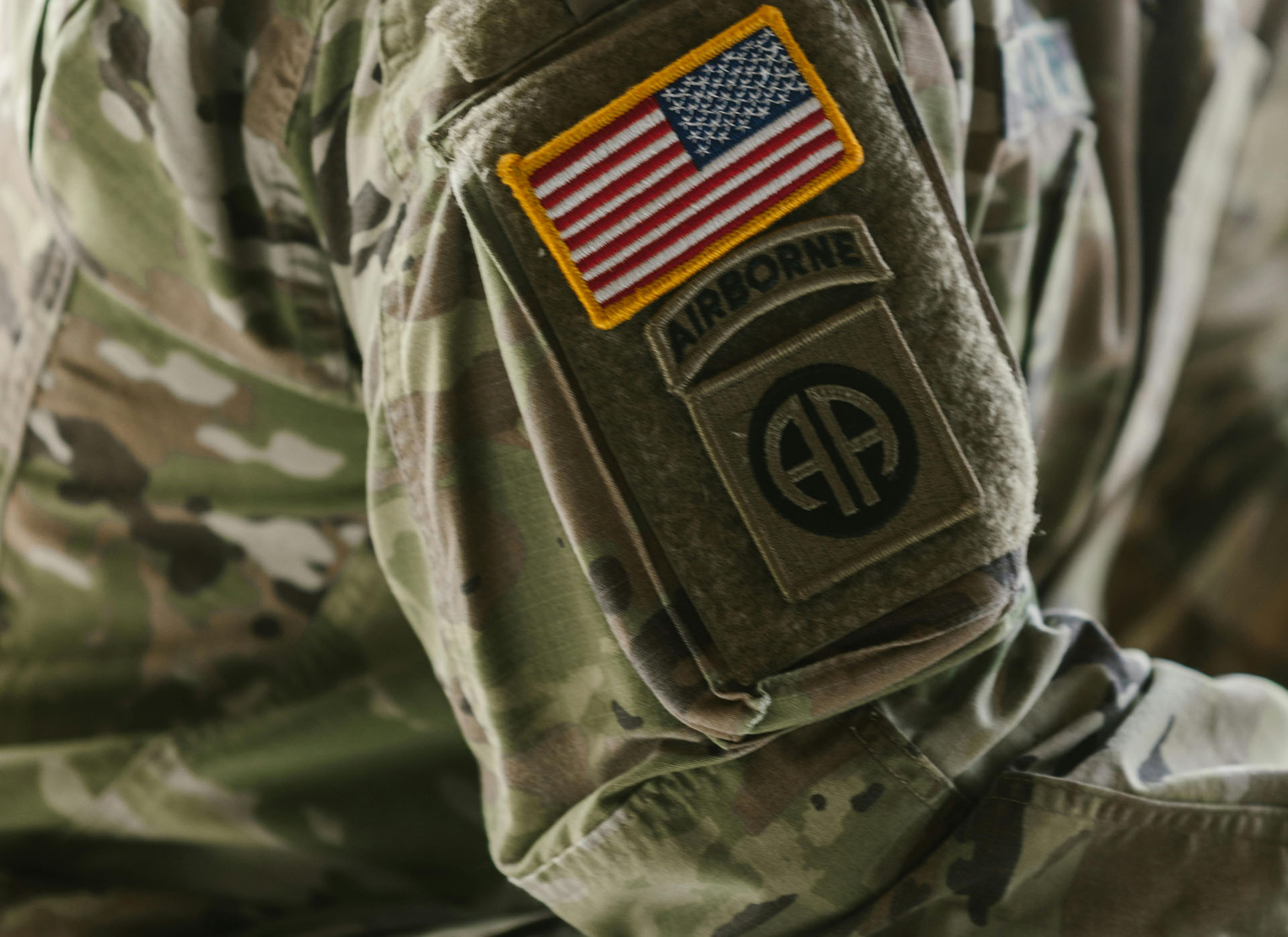
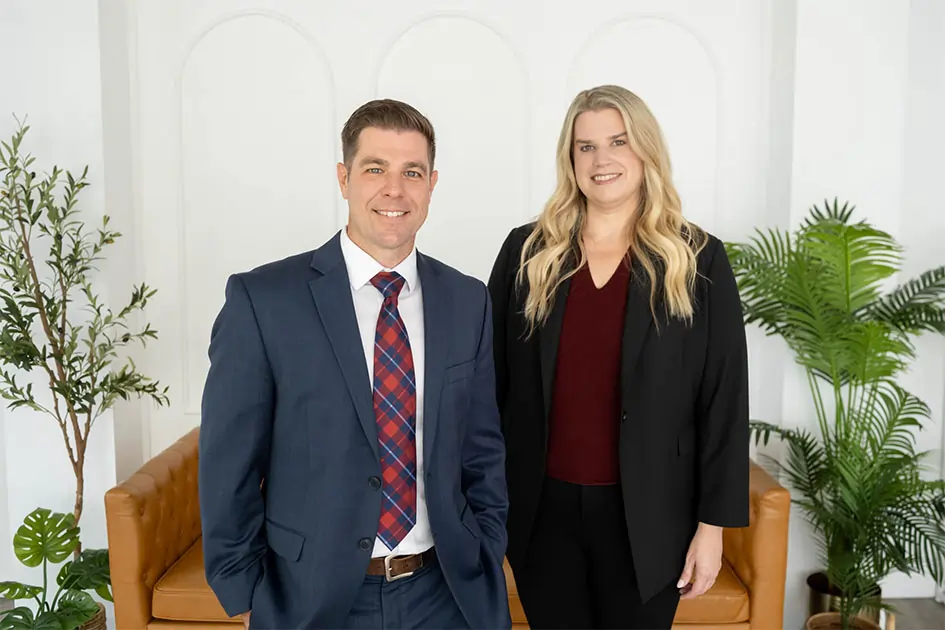
Our attorney Eric Beatty at Glover Luck LLP is a U.S. Army veteran who served as a commissioned officer in Kansas, Kuwait, and the Republic of Korea. He was previously an attorney with the Internal Revenue Service, where he represented the government in litigation.
Test numbers can’t be changed after the fact. Veterans with questions about a recent audiogram should reach out to a Texas service-connected disability lawyer when the results arrive and the service record is in hand.