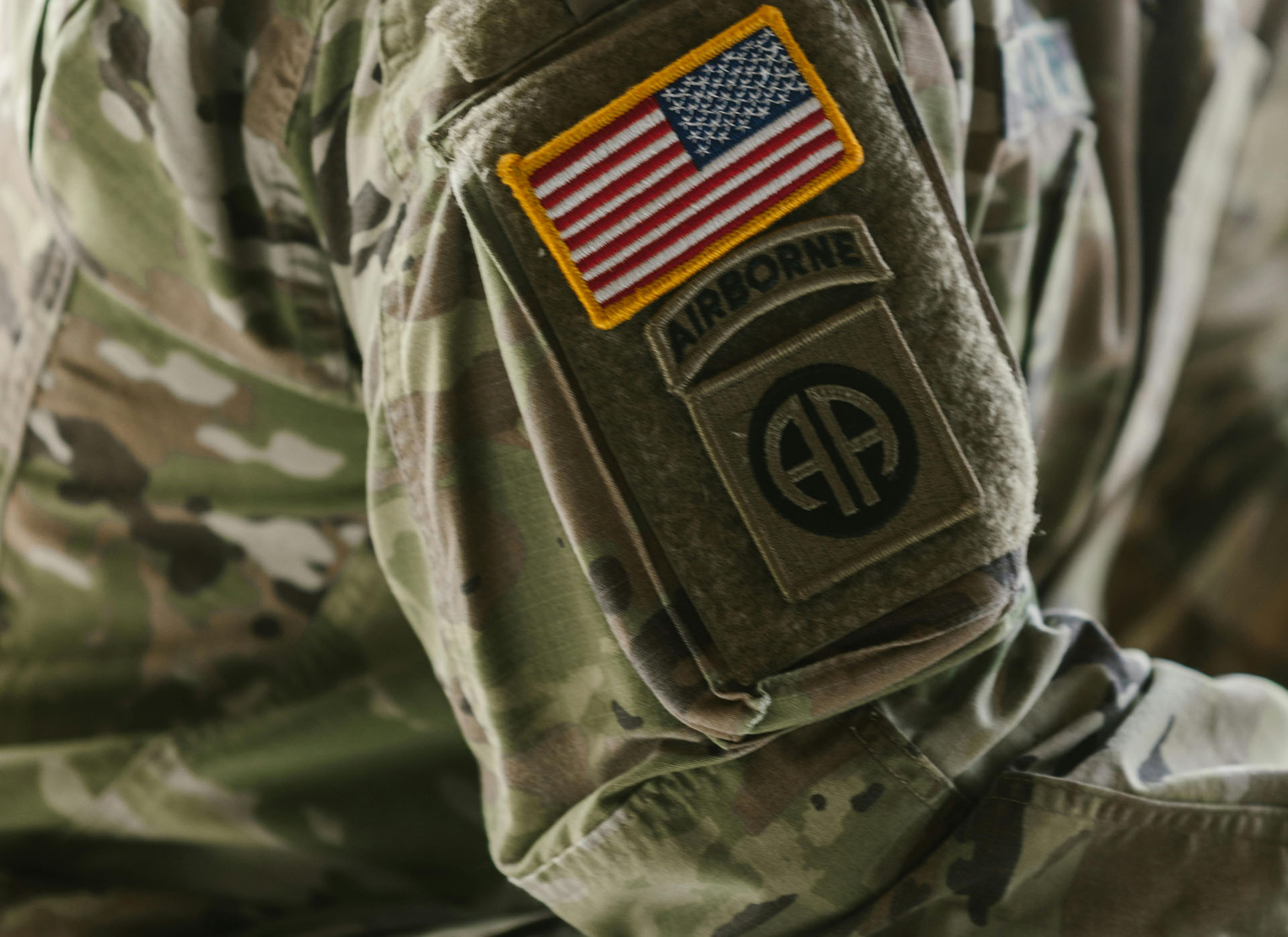
A PTSD claim turns on one question: can the veteran show that the traumatic event happened? The VA’s regulation answers that differently depending on the kind of event, and some situations require much less proof than others.
What Does the VA Require in Every PTSD Claim?
Under 38 CFR 3.304(f), service connection for PTSD requires three things. The first is medical evidence diagnosing the condition under the VA’s diagnostic rules. The second is a link, established by medical evidence, between the veteran’s current symptoms and an in-service stressor. The third is credible supporting evidence that the claimed stressor actually occurred.
The rest of the regulation focuses on that third element and explains when a veteran’s own account can satisfy it.
Once service connection is granted, the next question is the rating. For that step, a Durham VA disability compensation lawyer can explain how PTSD is rated and how the rating becomes monthly pay.
When Can My Own Statement Prove the Stressor?
In three situations, the regulation allows lay testimony alone to establish the stressor. That holds if there is no clear and convincing evidence to the contrary and the account is consistent with the circumstances, conditions, or hardships of the veteran’s service:
- PTSD was diagnosed during service, and the stressor relates to that service.
- The veteran engaged in combat with the enemy, and the stressor relates to that combat.
- The veteran was a prisoner of war, and the stressor relates to that experience.
The diagnosis and the medical link are still required. Service records show whether a claim fits one of these categories, and a Durham VA PTSD lawyer can review them.
What If the Stressor Involved Fear of Hostile Activity?
The regulation also covers a stressor tied to fear of hostile military or terrorist activity, meaning the veteran experienced, witnessed, or was confronted with an event involving actual or threatened death or serious injury, or a threat to the physical integrity of the veteran or others. The veteran must also have responded with fear, helplessness, or horror.
For that kind of stressor, a VA psychiatrist or psychologist, or a contract equivalent, must confirm that the stressor is adequate to support a PTSD diagnosis and that the veteran’s symptoms relate to it. Once that confirmation exists, lay testimony alone can establish that the event occurred.
The confirmation rests on an examiner’s findings, so a veteran should be ready to describe symptoms in detail. That makes documenting PTSD symptoms a useful habit well before the appointment.
How Is a Personal Assault Stressor Proven?
Assault claims can lack the paperwork that other stressors leave behind, so the regulation lets evidence from sources other than the service record corroborate the veteran’s account. The listed sources include records from law enforcement authorities, rape crisis centers, mental health counseling centers, hospitals, or physicians, as well as statements from family members, roommates, fellow service members, or clergy.
Changes in behavior can serve as evidence too, such as a request for a transfer, deterioration in work performance, substance abuse, or episodes of depression, panic attacks, or anxiety without an identifiable cause. The VA also must advise a claimant of this type of evidence and give the opportunity to submit it before it denies a PTSD claim based on personal assault.
Military sexual trauma claims fall under this rule, so a veteran in that position can ask a Durham military sexual trauma lawyer which of these sources already exist in the file. Counseling center notes, for example, sit outside the service record.
A veteran should also read about the special provisions for MST before filing. An assault may never have been formally reported, and the outside sources above can help fill that gap.
What Should I Gather Before Filing?
A few items make the stressor easier to prove:
- Service records and unit information that place the veteran where the event happened.
- Any mental health treatment records from during or after service.
- Statements from people who saw the event or noticed a change afterward.
- A written account of the event, dated and in the veteran’s own words.
PTSD claims and medical nexus support are part of the listed work at Glover Luck LLP, which speaks to the second element the regulation requires. One of its attorneys, Eric Beatty, is a U.S. Army veteran who focuses on VA disability claims and appeals.
Severe symptoms can also affect a veteran’s ability to hold a job. That raises a separate question about unemployability, which a Durham VA TDIU lawyer can address.
The right category can reduce the proof required. Veterans in Durham who are preparing a PTSD claim can reach out to a Durham VA PTSD lawyer to match their experience to the correct rule before filing.